A fight with someone you love rarely gets fixed by one perfect sentence. What helps more is finding the right words for the moment you’re actually in, whether that’s something small that spiraled or something heavier that’s been sitting between you for days. Below, I walk through how apology messages for your partner change depending on how serious things are, what stage of making up you’re in, and whether text is even the right format at all. By the end, you’ll have a clearer sense of which kind of message fits what actually happened between you, and where to find the wording for it.
Where to Start When You Don’t Know What to Say
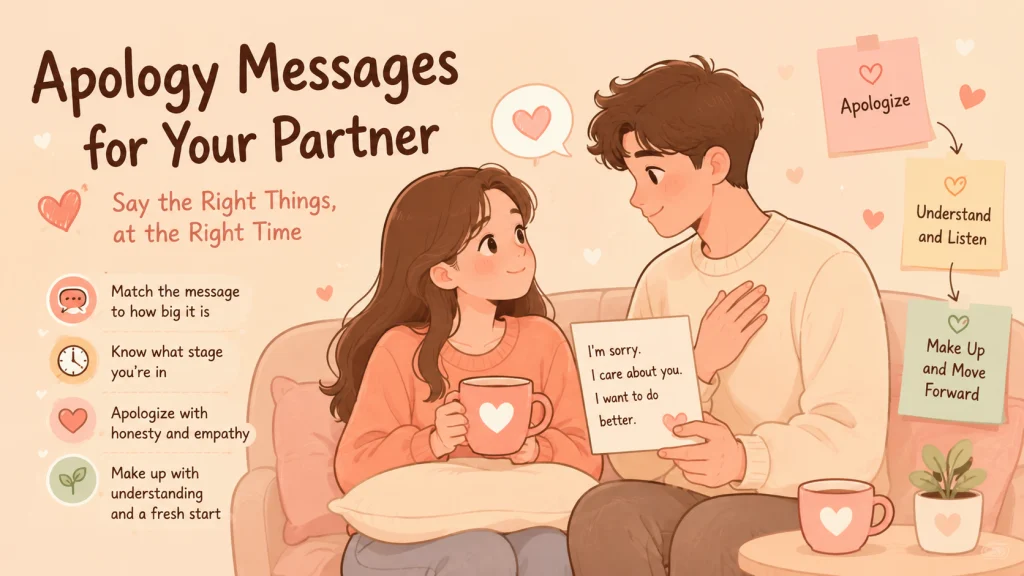
Most apology messages to a partner don’t fail because the words were clumsy. They fail because the message didn’t match what actually happened. A short, light “sorry about earlier” lands fine after a small disagreement, but the same message after something that actually broke trust can make things worse instead of better. I’ve sent something that felt safe to write and watched it land as careless to read, and it taught me to slow down before hitting send.
The first real question isn’t what to say. It’s where you and the other person actually are right now. Are you both still upset, or has one of you started to soften already? Did this happen an hour ago, or has it been sitting between you for days? Getting back to each other after a fight almost always takes more than one message, and more than one kind of message, so the rest of this comes down to figuring out which kind you need first.
Match the Message to How Big This Actually Is
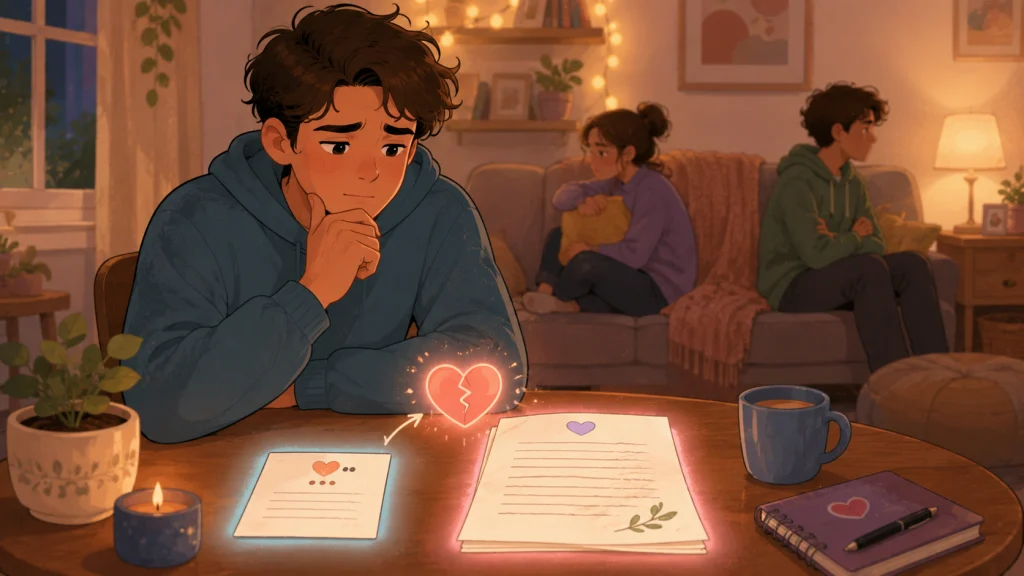
One of the most common mistakes I see, and one I’ve made myself, is treating every apology the same regardless of size. A forgotten plan and a broken promise are not the same kind of hurt, and a message written for one will feel wrong for the other. When the disagreement is small, over-apologizing can make the other person feel like you’re turning it into a bigger deal than they are, which adds its own layer of awkwardness on top of whatever started things. When the situation is serious, under-apologizing, rushing past what happened to get to “can we move on now”, tends to do real damage that’s hard to walk back later.
Sorting out which category you’re in doesn’t take long, but it changes everything about how the message should sound. A small thing wants something quick and human. A serious thing wants something slower, with no jokes and no rushing toward resolution before the other person is ready for it.
When It Was Something Small
If what happened was a snapped comment, a missed text, or a small thing that escalated because you were both tired or stressed, the message doesn’t need to carry much weight. It needs to be quick, honest, and a little bit light, because treating a small thing like a major event can come across as performative. I keep a separate set of sorry messages after a fight for exactly this kind of moment, the ones where you both already know it wasn’t really about what it was about.
When It Wasn’t Small
If you did something that broke trust, said something unkind that landed deeper than you meant, or made a choice that hurt the other person in a way that isn’t easily undone, the message needs to slow down. No jokes, no rushing to “but I love you”, no minimizing what happened. It needs to name the thing clearly, without over-explaining the reasons behind it, and it needs to give the other person room to not be okay yet, even if that’s uncomfortable to sit with. For moments like that, I’ve put together a sincere apology for a serious mistake that walks through how to do that without sounding like you’re performing remorse.
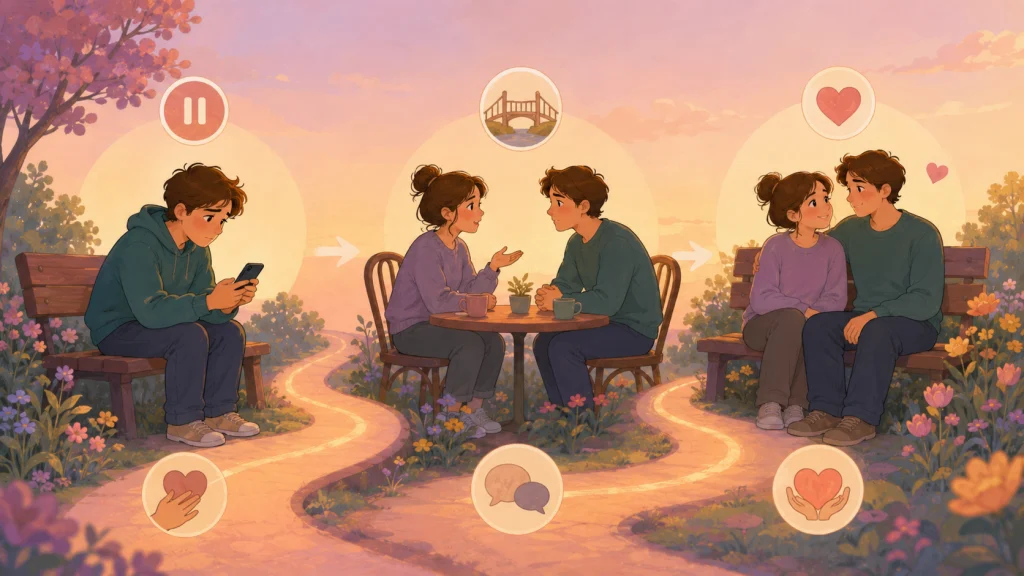
The Words Change Depending on What Stage You’re In
An apology and a making-up message are not the same thing, even though people often reach for the same words for both. An apology is about acknowledging what happened. Making up is about what comes after, once the apology has landed and you’re both ready to move forward again. Sending a making-up message before the apology has actually been received tends to feel like skipping a step, even when that’s not the intention behind it.
Sometimes you’re not the one apologizing at all. You might be asking for forgiveness in a way that doesn’t sound desperate, or you might be trying to start the conversation from a place of understanding before either of you has said sorry yet. Both of those moments need their own kind of wording. I’ve written separately about how to ask for forgiveness through please forgive me messages that feel honest rather than pleading, and about opening a hard conversation with I know I hurt you messages when you’re the one who needs to lead with empathy instead of explanation. Once an apology has genuinely landed, making up after a fight is its own moment too, and it deserves something that feels like a fresh start rather than a return to silence.
Before any of this, there’s a shorter list worth running through, because it can save you from sending the wrong message at the wrong moment:
- Has enough time passed that the other person can actually hear an apology, or are you both still too raw to talk?
- Are you reaching out because you’re sorry, or because the silence itself has become uncomfortable for you?
- Does this need to happen over text at all, or would it land better in person or on a call?
- Is there anything you’re tempted to add that isn’t really an apology, like an explanation, a comparison, or a “but”?
If you’re honest with yourself about those four things, the right stage usually becomes obvious pretty quickly, even when the right words still take a little more time to find.
When a Text Isn’t Enough
There are moments when a text, however well written, just doesn’t carry enough weight for what happened. This usually isn’t about length. It’s about what the format itself communicates. A text can feel disposable even when it’s sincere, simply because texts are how we send almost everything else too, from logistics to memes, and that context bleeds into how the message is received.
When the situation calls for something that feels considered, something the other person might actually keep, a longer written piece does something a text can’t. I’ve put together a separate collection of apology love letters for exactly those moments, the ones where an apology love message needs to feel like it took time. Not because the words are fancier, but because the format itself says “I sat with this before I gave it to you.”

Pick the Stage You’re Actually In
None of this works if you skip the first step, which is being honest with yourself about where things actually stand. Not where you wish they stood, not where you think they should be by now, just where they actually are. That’s not always a comfortable thing to sit with, especially if you’re the one who caused the hurt, but it’s the only starting point that leads somewhere real.
From here, the path is less about finding perfect words and more about finding the right moment for the words you already have. A relationship repair message that’s honest and a little imperfect almost always lands better than one that’s polished but sent before either of you is ready. And if other moments in the relationship have been weighing on you too, not just this one, it might help to look through the wider collection of love and relationship messages I keep for those in-between days as well. Take a breath, figure out which stage you’re in, and start there. The wording will follow once you know what you’re actually trying to say.
FAQs
💬 What’s the best way to apologize to a partner after a fight?
Start with what happened, not with how you felt about it. Name the thing plainly, let the other person know you understand why it hurt, and resist the urge to explain yourself before they’ve had a chance to respond.
😔 How long should you wait before sending an apology message?
Long enough that you’re not just trying to end the discomfort of the silence. If you’re still angry or defensive underneath the apology, it usually shows. A short pause to actually settle is almost always worth it.
💔 What if your partner doesn’t respond to your apology?
Give it time. A real apology doesn’t come with a deadline for forgiveness, and following up too quickly can feel like pressure rather than care. Send it, then let them have the space to process it on their own timeline.
🕊️ Is it okay to apologize even if you weren’t completely wrong?
Yes, and it’s often the more generous move. You can apologize for your part, your tone, or how something landed, without claiming the entire fight was your fault. Those two things can be true at the same time.
✍️ Should an apology be said out loud or sent as a message?
Either can work, but a message gives the other person room to read it without having to respond right away. For something serious, a written message followed by a real conversation often works better than either one alone.